How Much Do Anvils Cost in 2026?

How Much Do Anvils Cost in 2026?

[Updated on March 29, 2026]

Anvils usually go up in value over time. The same anvils I purchased in 2015 and 2016 for $280 a piece, now go for $460 – $490.

These anvils, made by NC Tool Company, are high quality, lighter weight anvils that sit at the bottom of the mid-range for anvil price.
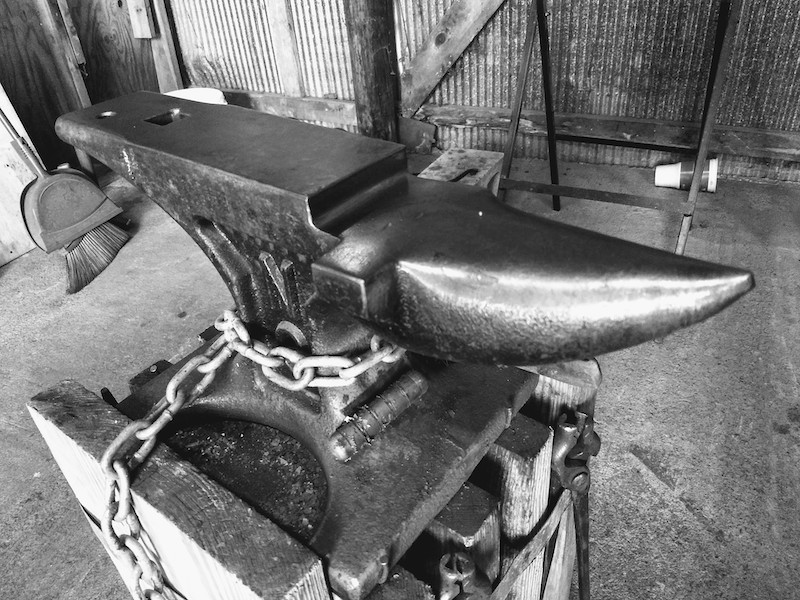
Blacksmith Terms - Brown County Forge - Terran Marks

In fact, their low cost and durability were the main factors in my decision to purchase two of them.

I use them weekly in classes at the shop and for forging ironwork for customers.

Anvil Prices Range from $70 up to $2575

At the low end, you’re going to find cast iron anvils from Harbor Freight and similar companies.

At the top end, you’ll find small anvil manufacturers like Nimba Anvils in Port Townsend, Washington.

In the middle, you will find some great anvils from Atlas Knife and Tool, NC Tool Company, Texas Farrier Supply, and others.

Why the big difference in price?

  1. Quality
  2. Size
  3. Production capabilities

Lightweight Harbor Freight anvils are mass-produced with heavy machinery.

Atlas Knife and Tool has a line of anvil designs that they subcontract to a factory in small batches.

Nimba Anvils are made one at a time in a small production facility.

*Prices come down when manufacturing can be done at-scale.

Should You Buy An Anvil On Facebook Marketplace?

Short answer: It depends.

In the current climate, blacksmithing is enjoying an upswing in popularity.

When a hobby or craft becomes popular, prices for associated items go up.

As prices go up, more sellers enter the market. Some of these sellers have dubious assets and even more dubious motives.

There may be some decent options on Marketplace, but proceed with caution.

There are better options than Facebook for purchasing anvils: Directly from a manufacturer or from respected retailers.

To Avoid Overpaying for Anvils Online:

  1. Follow a rule of $7 per pound or less. For a 70-pound anvil, you want to pay under $490. You can absolutely do this. Atlas Knife and Tool sells their 69 pound Alec Anvil for under $300.
  2. Adjust price based on the Age and Condition of the anvil.
    1. If it’s old, but severely damaged (missing the tip of the horn, for example), I’m dropping my offer by a few hundred.
    2. Some old anvils are worth the price based on their historic value alone.
  3. Vet the seller as much as possible. Do they know what they’re selling?
  4. Ask an expert: browncountyforge@gmail.com. It never hurts to ask someone with more experience.
  5. Consider buying from reputable dealers like Centaur Forge, NC Tool Company, or Blacksmith’s Depot.

An Anvil is an Investment

An investment is an asset that appreciates in value over time.

Anvils do this in a couple ways:

  • The older they are and the better shape they’re in, the more valuable they’ll be.
  • Their value increases the more you use them and the better you get at blacksmithing.

You don’t need to spend more than a few hundred on an anvil.

The anvils I use today each cost $280. They have made thousands of projects to date and generated a full-time income for over 9 years.

That’s an amazing return on investment.

Conclusion: Anvil Costs Range, But Have a Sweet Spot

Aim to spend at least $299 – $499 on your anvil. NC Tool Company’s 70-pound anvil is the one I recommend to students every week.

You can buy directly from NC Tool Company: nctoolco.com

Or from Centaur Forge: centaurforge.com

I also currently use the $299.99 Alec Anvil from Atlas: https://atlasknife.com/product/alec-anvil/

Want to Learn More About Blacksmithing?

I teach classes in Bloomington, Indiana and at client’s homes. Available by appointment.

For more information go to the Classes page.

Online blacksmithing classes are also available from world class instructors on the Online Classes page.
How to Hang Oars on a Wall

Boat Paddle Hooks - Oar Hooks - Brown County Forge - Terran Marks the Blacksmith
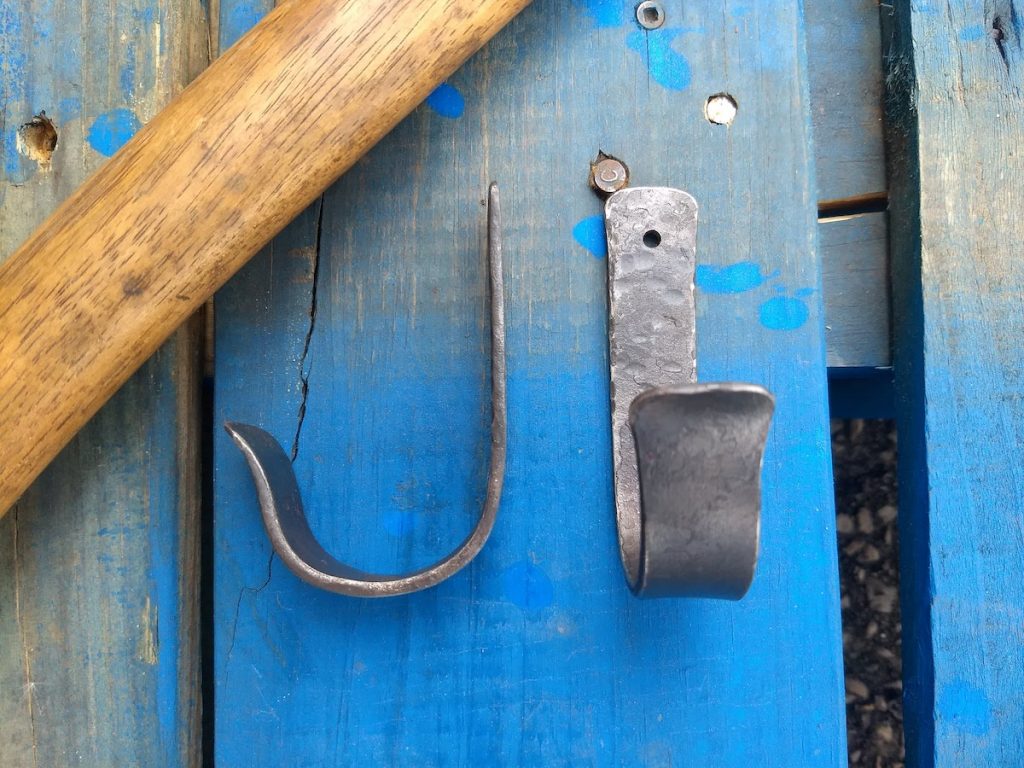
Our original oar hooks.

How to Hang Oars On a Wall in 4 Steps

After hammering out hundreds of pairs of boat oar hooks, I have some tips and tricks for how to hang oars on a wall.

My name is Terran Marks and I’m the blacksmith at Brown County Forge. If you have an oar to hang, here’s how I would do it.

Step 1: Measure Your Oars to Find Your Hook Width

Oar Circumference - Brown County Forge
Measuring Circumference

Not all boat paddles are the same size so you’ll need hooks that will fit your particular oar.

The easiest way to measure your oars is to measure across the oar for a diameter measurement.

Using a ruler or tape measure, rest your measuring device on top of the oar.

Where the edges of the oar handle hit is your rough diameter.

That’s the measurement we’ll use to make the hook.

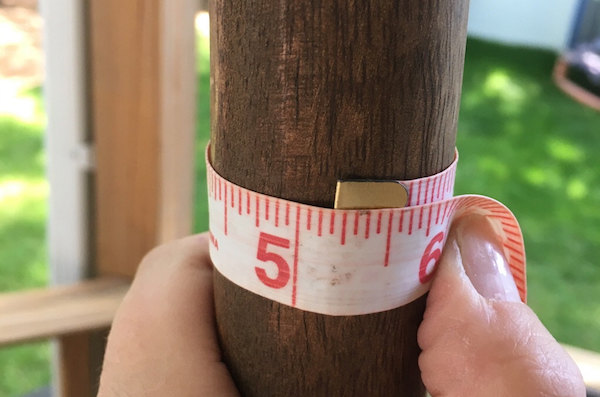
The most accurate way to measure your oars is to wrap a string one time around the oar handle to find the circumference.

Then, with a little math we can find the diameter and then the hook width.

Step 2: Research Hooks Online to Find Some that Will Fit

Now that you have your measurements, you’re ready to venture into the world of hooks and hangers online.

I’m consistently amazed at the variety of ways people have come up with to keep things off the ground.

Make sure your oar hangers come with screws and that they’re the correct size and length.

  • You don’t want to have to run around to five hardware stores trying to find the right screws.
  • You want a little bit of space around the oar shaft so it doesn’t get scraped as you put it on the hooks. I recommend looking for sizes at 1.5 inches, 2 inches, and 2.5 inches.
  • Brown County Forge’s Oar Hooks Available Here

Step 3: Your Hooks Have Arrived. Now Let’s Hang Them!

Hooks to Hang Oars on the Wall
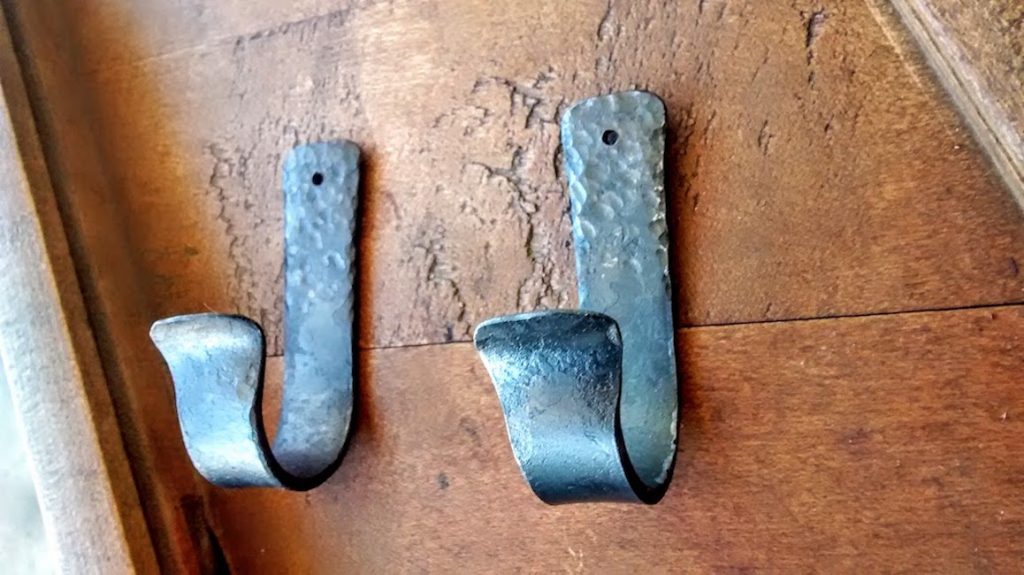
Some of my original oar hooks with hammered texture.

For the most secure mount, you will want to screw your hooks into studs.

Depending on the construction of your home, your wall studs will be either 16 inches on-center or 20 inches on-center. That just means that every 16 inches (or 20), you will hit the center of a wooden stud.

Using a stud finder is a safe bet to be sure you’re mounting into solid wood.

That last thing you want is to mount your hooks in plain drywall and risk your heavy oar coming crashing down.

I recommend drilling pilot holes first to make it easier to place your screws when it’s time.

Before you drill ANY holes, make sure your two hole heights from the floor match! Unless you want your oar to tilt, it’s best to use a tape measure to measure from the floor up to your desired oar mount height.

Mark lightly with a pencil. Then drill your pilot holes.

Step 4: Mount Your Oar or Paddle on the Wall

And that’s how to hang oars on a wall in 4 simple steps!

Now you can enjoy your securely mounted oars for years to come.

Maybe your oar is from your college days of rowing crew.

Maybe it’s an antique store find.

Or maybe it’s an authentic gondola oar from Venice to remind you of your honeymoon!

No matter the size, weight, or length, there’s a custom pair of oar hooks waiting to be made for you.

Brown County Forge’s Oar Hooks

Throughout this post, you’ve seen examples of the oar hooks I make as well as more budget-friendly options.

Brown County Forge’s Oar Hooks Available Here

I’m Happy to Answer Any Questions

I’m always happy to answer questions about hardware and hooks.

Please email me directly at:

browncountyforge@gmail.com